


Too Much Big Content We Are Making Small
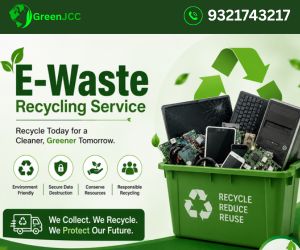
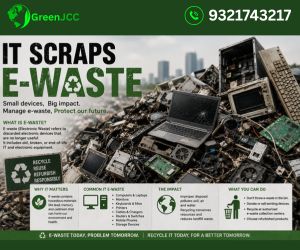
- Reduces Environmental Pollution: Proper e-waste recycling prevents hazardous materials from contaminating soil, water, and air.
- Conserves Natural Resources: Valuable materials such as copper, aluminum, gold, and silver can be recovered and reused.
- Protects Human Health: Safe disposal of electronic waste minimizes exposure to toxic substances like lead, mercury, and cadmium.
- Supports Sustainable Development: Recycling electronic waste promotes responsible resource management and sustainability.
- Reduces Landfill Waste: Recycling old computers, laptops, and electronic devices helps decrease the volume of waste sent to landfills.
- Ensures Secure IT Asset Disposal: Professional e-waste recyclers help businesses securely dispose of outdated IT equipment and protect sensitive data.
- Encourages Resource Recovery: Electronic waste contains reusable metals and components that can be processed and reintroduced into manufacturing.
- Helps Meet Regulatory Compliance: Authorized e-waste recycling ensures compliance with government environmental and waste management regulations.
- Reduces Carbon Footprint: Recycling electronic products requires less energy than producing new materials from raw resources.
- Promotes a Circular Economy: E-waste recycling extends the lifecycle of valuable materials and supports environmentally responsible business practices.
Important Facts About E-Waste Recycling in 2026
- E-Waste Is the Fastest Growing Waste Stream: The increasing use of computers, laptops, smartphones, and smart devices has made electronic waste one of the fastest-growing waste categories worldwide.
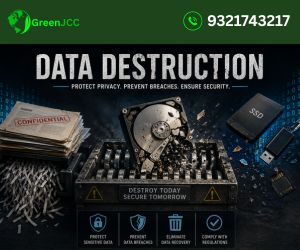
- Data Security Is a Major Concern: Before recycling computers, laptops, servers, and storage devices, secure data destruction is essential to protect confidential information.
- Valuable Metals Can Be Recovered: E-waste contains precious and base metals such as gold, silver, copper, palladium, and aluminum that can be recovered through proper recycling processes.
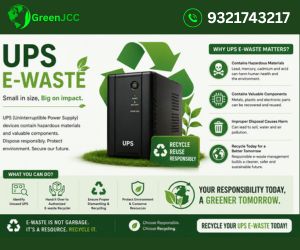
- Battery Recycling Is More Important Than Ever: The growth of lithium-ion batteries in laptops, smartphones, electric vehicles, and UPS systems has increased the need for specialized battery recycling.
- Corporate IT Asset Disposal Is Increasing: Businesses are regularly upgrading technology, creating a growing demand for secure IT asset disposal and e-waste management services.
- Refurbishment Reduces Waste: Many electronic devices can be refurbished, repaired, and reused, extending their lifecycle and reducing environmental impact.
- Proper Recycling Prevents Toxic Pollution: Electronic equipment contains hazardous substances that require environmentally responsible processing and disposal.
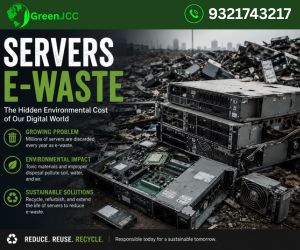
- Data Centers Generate Significant E-Waste: Server upgrades, networking equipment replacements, and storage system migrations contribute substantially to e-waste generation.
- E-Waste Recycling Creates Employment: Collection, dismantling, refurbishment, recycling, logistics, and material recovery activities support green job creation.
- Circular Economy Is Driving the Industry: Recovered materials from e-waste are increasingly being reused in manufacturing, reducing dependence on virgin resources.
- Businesses Are Prioritizing ESG Goals: Responsible e-waste recycling helps organizations meet Environmental, Social, and Governance (ESG) objectives.
- Authorized Recycling Ensures Compliance: Using certified e-waste recyclers helps organizations comply with environmental regulations and maintain proper disposal records.
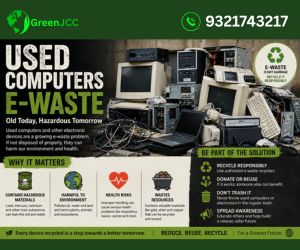
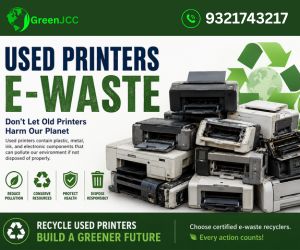
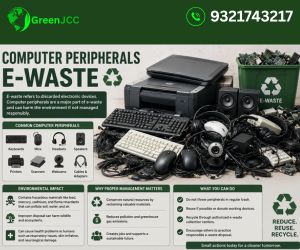
- Remote Work Has Increased Household E-Waste: More home offices mean greater disposal of old laptops, desktops, monitors, printers, and networking equipment.
- AI and Technology Upgrades Are Accelerating Device Replacement: New hardware requirements are leading many companies to replace older computers and servers more frequently.
- Responsible Recycling Protects Future Resources: Recovering valuable materials from discarded electronics helps preserve natural resources for future generations.